Greater Tacoma HVAC Contractor
Range Hood Installation & Venting in Puyallup & Pierce County

Clear Out Cooking Smoke, Odors, and Grease from Your Kitchen
Does your kitchen fill with smoke when you cook? Do lingering cooking odors take over your home? Is grease building up on your walls and cabinets?
Your kitchen needs proper ventilation. A range hood removes smoke, odors, grease, and moisture at the source - before they spread throughout your home or settle on your surfaces.
Professional range hood installation provides powerful ventilation that keeps your kitchen and home fresh while protecting surfaces from grease buildup.
Signs You Need Range Hood Service
Smoke and Odors Fill Your Kitchen
Without adequate ventilation, cooking smoke and strong odors linger in your kitchen and spread throughout your home.
Grease on Walls, Cabinets, and Ceiling
Airborne grease from cooking settles on all kitchen surfaces, creating sticky buildup that's difficult to clean and damages finishes.
Moisture and Steam
Boiling water and cooking creates significant moisture.
Without ventilation, this contributes to higher indoor humidity and potential moisture problems.
No Range Hood Currently
Some kitchens have microwave vents (which don't work well) or no ventilation at all over the range.
Recirculating Hood (Not Ducted)
Recirculating hoods filter and return air to the kitchen - they don't actually remove smoke, odors, or grease from your home.
Ducted ventilation is far more effective.
Inadequate CFM for Your Range
Powerful gas ranges or cooktops with high BTU output need correspondingly powerful ventilation.
Many installed range hoods are undersized.

Why Proper Kitchen Ventilation Matters
Indoor Air Quality
Cooking releases particulates, carbon monoxide (from gas ranges), nitrogen dioxide, and VOCs into your air. Range hoods remove these before you breathe them.
Grease Control
Cooking grease becomes airborne and settles on everything in your kitchen. Proper ventilation captures it at the source before it spreads.
Moisture Control
Cooking produces significant moisture. Removing it prevents excess humidity in your home.
Odor Management
Strong cooking odors (fish, curry, fried foods) spread throughout your home without ventilation. Range hoods exhaust odors to exterior.
Cleaner Home
With proper ventilation, you'll spend less time cleaning grease from surfaces and battling cooking odors.
Home Value
Proper kitchen ventilation is expected in modern homes and adds value, especially for homes with professional-grade ranges.
What Professional Range Hood Installation Includes
Range Hood Selection
We help you choose the right range hood based on
✓ Your range/cooktop size and type (gas or electric)
✓ Required CFM for your BTU output
✓ Kitchen layout and ceiling height
✓ Style preferences
✓ Budget
CFM Sizing
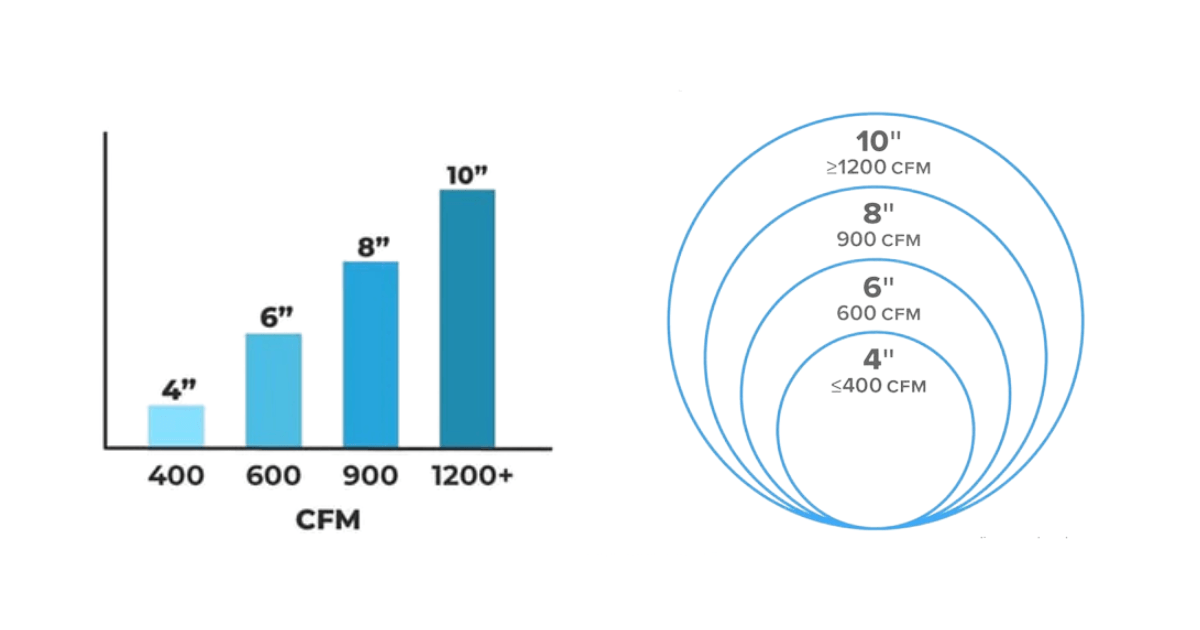
Range hoods are rated by CFM (cubic feet per minute of air moved). Required CFM depends on
- Gas ranges: 100 CFM per 10,000 BTUs
- Electric ranges: 300-600 CFM typically adequate
- Professional ranges: 600-1,200+ CFM needed
We calculate the correct size for effective ventilation.
Ductwork Installation
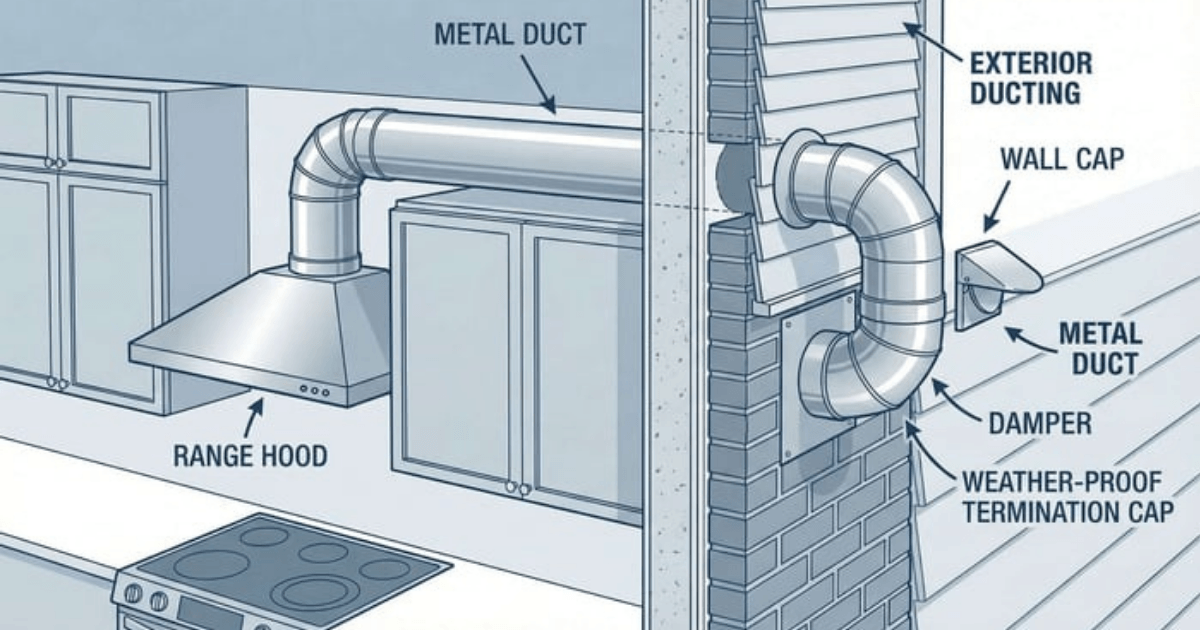
For ducted range hoods (recommended), we install proper ductwork
✓ Shortest route to exterior wall or roof
✓ Smooth-wall metal ductwork (6" or 8" depending on CFM)
✓ Minimize turns for maximum airflow
✓ Proper exterior termination with damper
✓ Code-compliant installation
Complete Installation
✓ Remove old hood if replacing
✓ Mount new range hood securely
✓ Run ductwork to exterior
✓ Install exterior termination cap
✓ Connect electrical
✓ Test operation
✓ Show you all features and controls
What to expect
Our Range Hood Installation Process

Kitchen Assessment
We assess your kitchen to determine
✓ Current ventilation situation
✓ Range/cooktop specifications
✓ Best ductwork routing
✓ Electrical requirements
✓ Your style and feature preferences

Hood and Ductwork Design
We recommend the right hood size and features, then design ductwork routing for optimal performance.

Professional Installation
We complete the full installation
✓ Mount range hood
✓ Run ductwork through walls or ceiling to exterior
✓ Install exterior termination
✓ Connect electrical
✓ Test all functions
Installation typically takes 3-6 hours depending on ductwork complexity.

Operation Training
We demonstrate all hood features and explain maintenance (typically cleaning filters monthly).
Range Hood Installation Pricing
Investment Range
$600-$2,000+ depending on hood and installation complexity
What Affects Price
- Range hood cost (basic to high-end)
- Ductwork length and routing complexity
- Exterior termination location (wall vs. roof)
- Electrical work required
- Existing conditions (replacement vs. new installation)

Typical Costs
Basic Installation
$600-$1,000
Standard range hood, straightforward ductwork installation
Mid-Range Installation
$1,000-$1,500
Quality range hood, moderate ductwork complexity
High-End Installation
$1,500-$2,500+
Professional-grade range hood, complex ductwork, or difficult routing
Note: Range hood cost varies widely ($200-$2,000+) based on size, features, and brand. Our pricing includes installation and ductwork - you choose the hood that fits your budget.
Ducted vs. Recirculating Range Hoods
Ducted Range Hoods (Recommended)
Pull cooking smoke, odors, grease, and moisture from your kitchen and exhaust it outside your home.
Advantages
✓ Actually removes smoke and odors (doesn't return them to kitchen)
✓ More effective grease control
✓ Reduces indoor humidity
✓ Better indoor air quality
✓ More powerful ventilation possible
Requires: Ductwork installation to exterior wall or roof

Recirculating Range Hoods
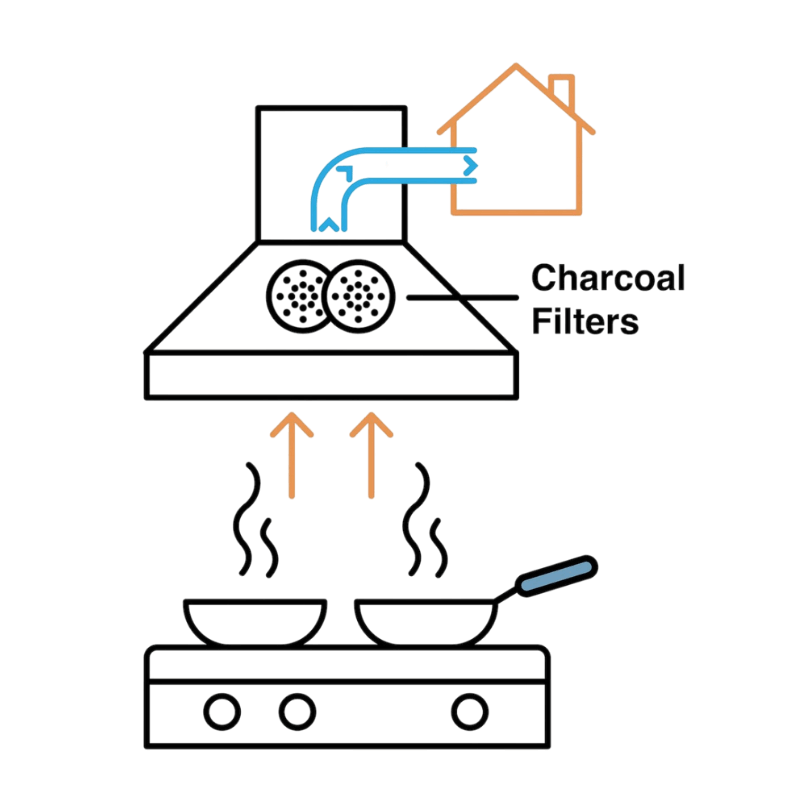
Pull air through filters and return it to the kitchen. Don't vent to exterior.
Advantages
✓ Easier installation (no ductwork)
✓ Lower installation cost
Disadvantages
✗ Don't remove smoke or odors (just filter and return)
✗ Limited grease removal (filters help but not as effective)
✗ Don't reduce moisture
✗ Require frequent filter replacement
✗ Less effective overall
Our Recommendation Ducted range hoods are far more effective. We always recommend ducted installation when possible. Recirculating should only be considered when ductwork installation is truly impossible.
Range Hood Types and Styles
Wall Mount Range Hoods
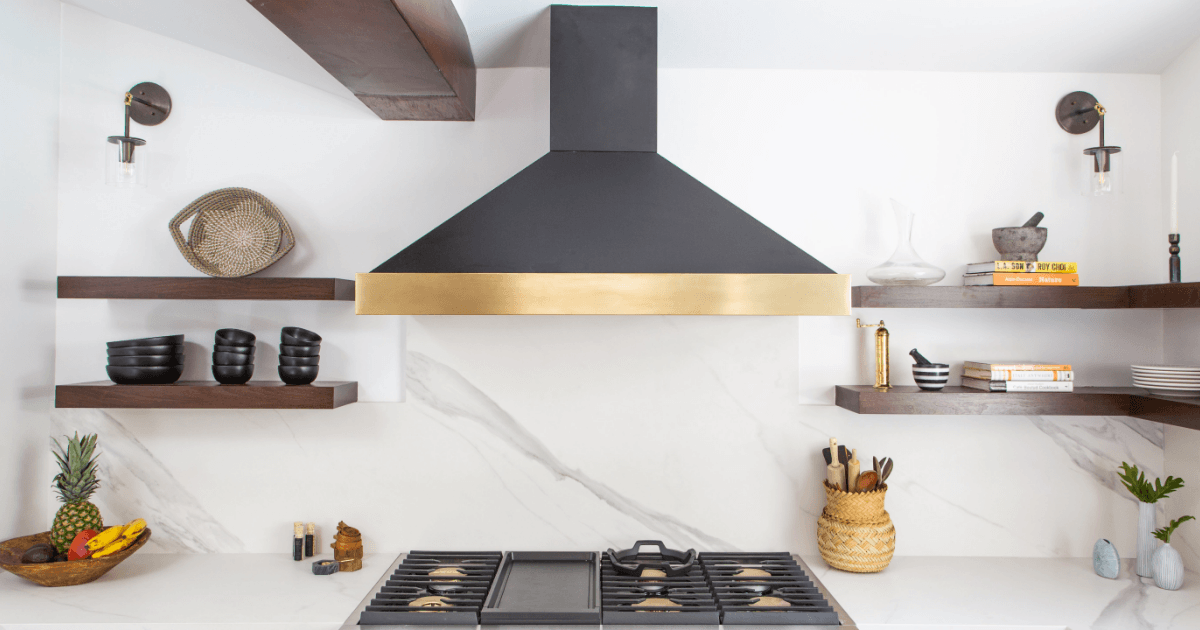
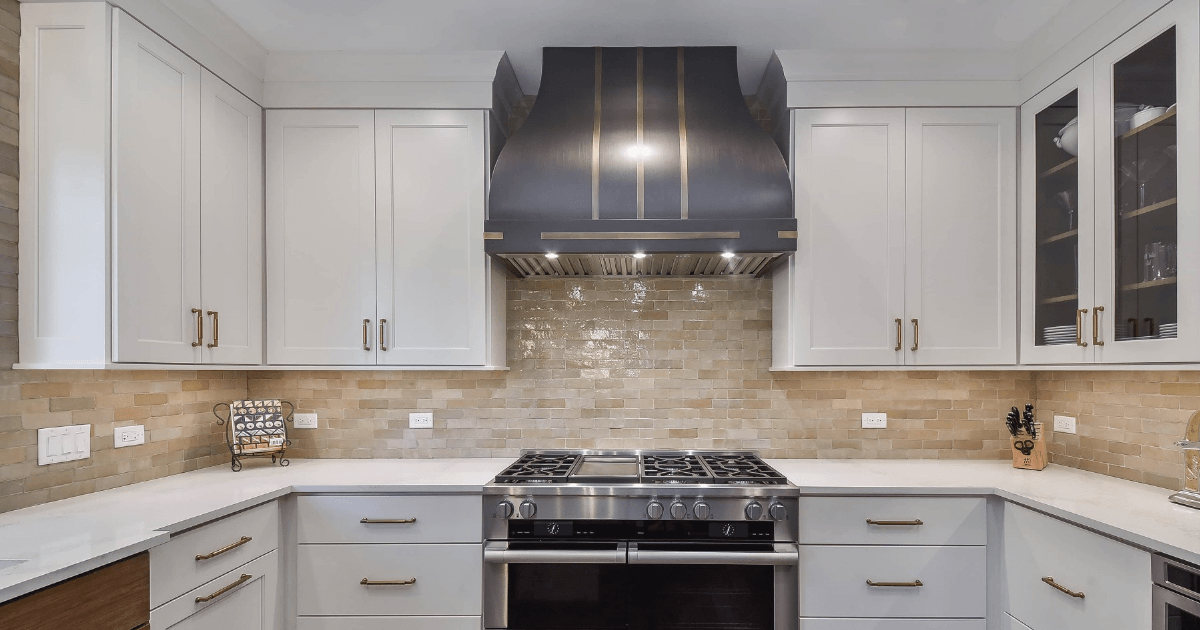
Mounts on wall (no cabinets above range). Available in chimney style or modern designs. Good for kitchens with no upper cabinets.
Island Range Hoods
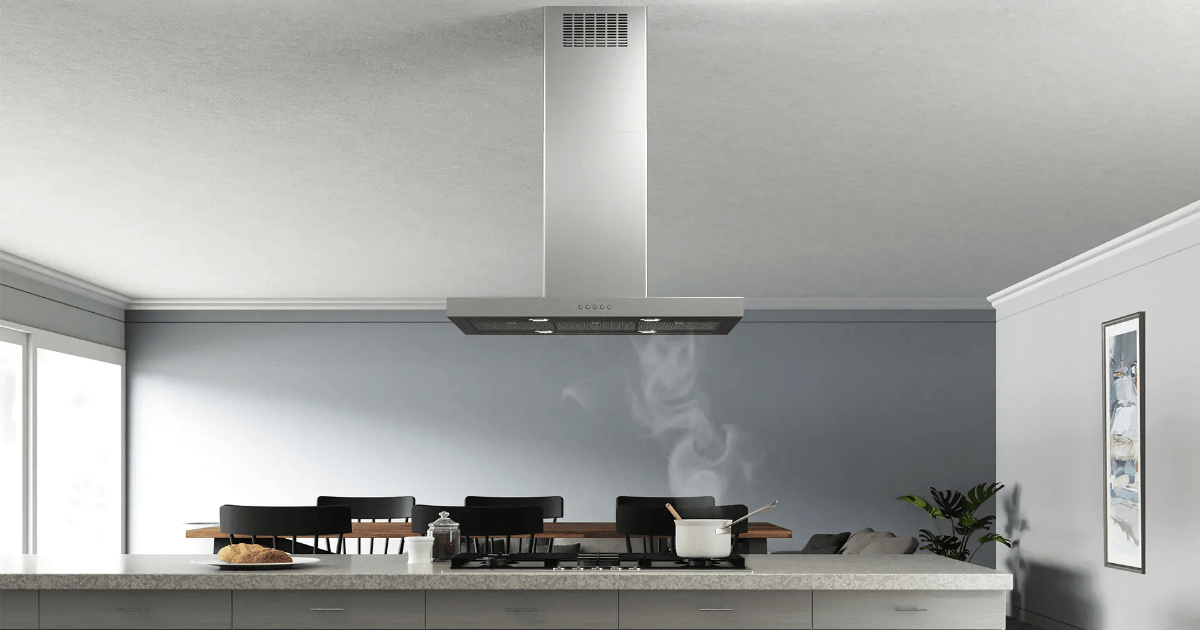
Suspends from ceiling over island cooktop. Requires ceiling-mounted ductwork. Makes a design statement.
Insert/Built-In Range Hoods
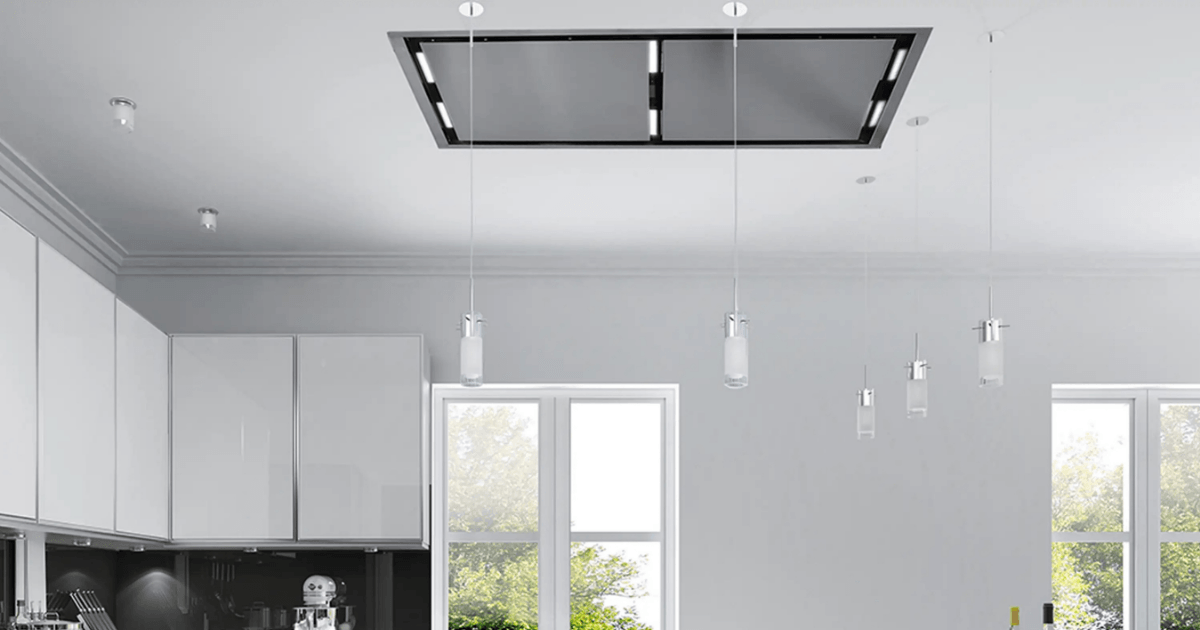
Blower insert that fits into custom cabinetry. Provides ventilation without changing cabinet design.
Downdraft Ventilation
Vent pops up from counter behind cooktop, pulls smoke down. Used when overhead hood isn't possible (island with sight lines, etc.). Less effective than overhead hoods.
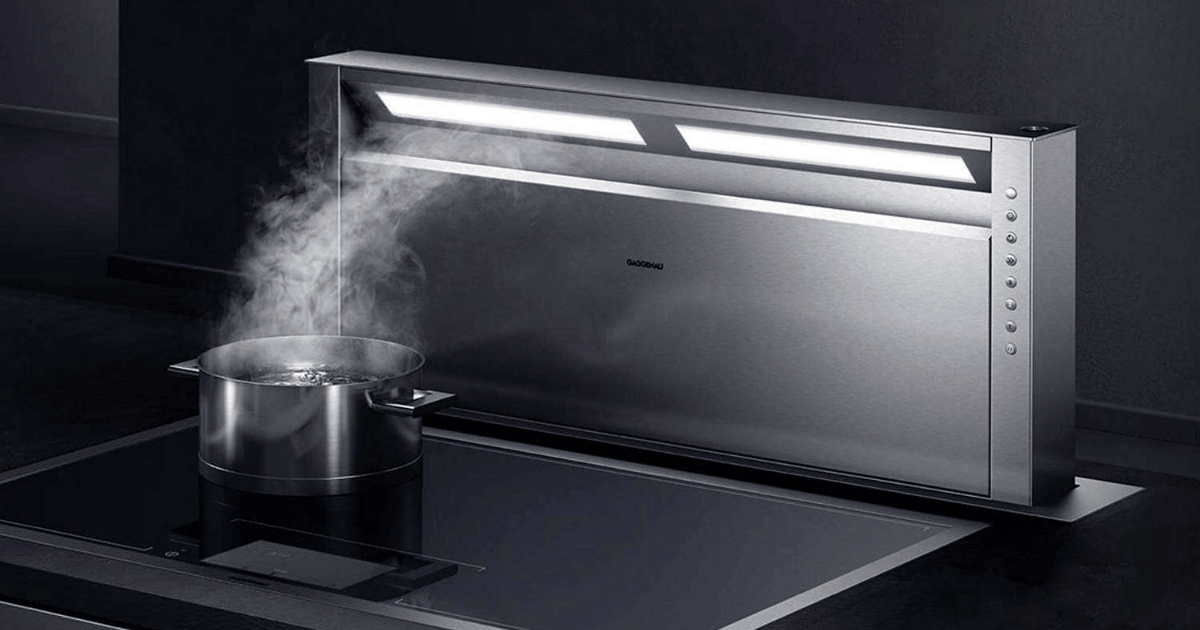
We'll help you select the right type for your kitchen layout and design preferences.
Ductwork Design Best Practices
Routing
Shortest path to exterior (every foot of duct reduces airflow)
Minimize turns (each turn reduces airflow by 10-15%)
Smooth-wall metal duct (never flexible)
Proper slope for grease drainage
Duct Size
6" diameter for hoods up to 400 CFM
8" diameter for hoods 400-900 CFM
10" diameter for hoods 900+ CFM
Exterior Termination
Wall cap with damper preferred over roof termination
Must be 3+ feet from windows, doors, air intakes
Adequate distance from ground
Grease-rated cap for high-output ranges
Make-Up Air High-CFM range hoods (600+) may require make-up air to replace exhausted air. We'll assess this during evaluation.
Features to Consider
Variable Speed Control
Adjust ventilation level based on what you're cooking. Low speed for simmering, high speed for searing.
LED Lighting
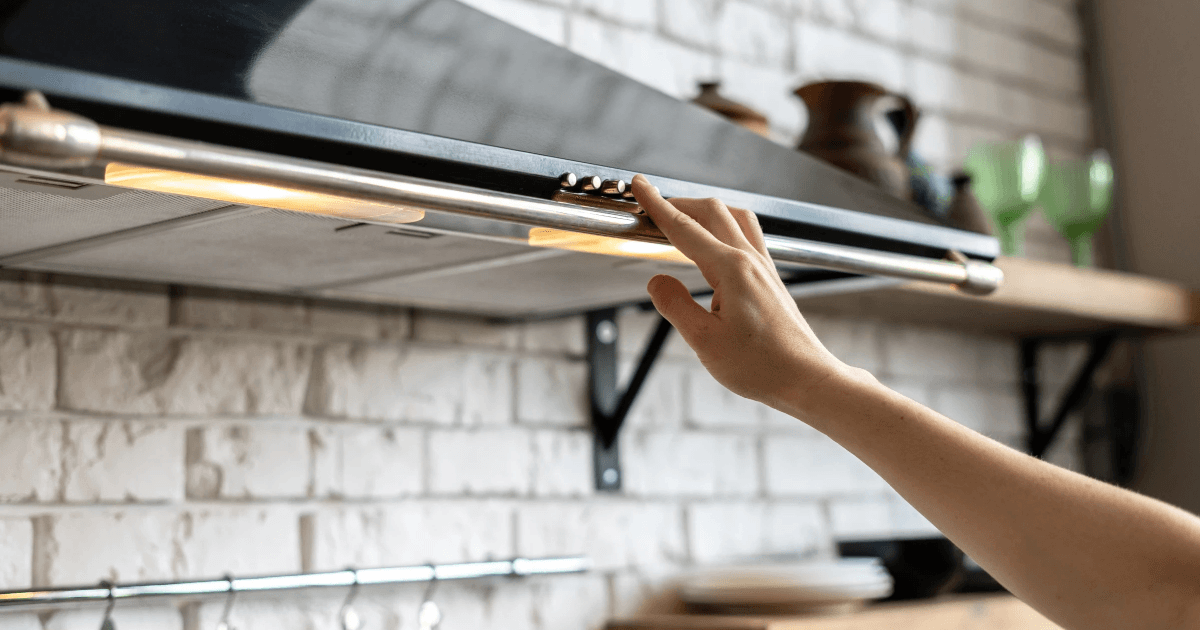
Built-in lighting illuminates cooktop. Energy-efficient LEDs last years.
Grease Filters
Baffle filters (stainless steel) are more effective and easier to clean than mesh filters. Dishwasher safe.
Noise Level
Measured in sones. Quieter operation (3-6 sones) is more pleasant for open-concept kitchens.
Heat Sensors
Automatically increases fan speed when sensing high heat levels.
Timer Controls
Set hood to run for specific time after cooking, ensuring complete smoke and odor removal.
FAQ
How much CFM do I really need?
For gas ranges, calculate 100 CFM per 10,000 BTUs. For electric ranges, 300-600 CFM is typically adequate. More powerful cooking = more CFM needed.
Can I vent through the roof?
Yes, though wall termination is preferred when possible. Roof termination works when no exterior wall is accessible, but requires roof penetration and weatherproofing.
Do I need make-up air?
For range hoods over 600 CFM in tightly-sealed homes, make-up air may be required by code to replace exhausted air. We'll assess this during evaluation.
How loud are range hoods?
Varies widely. Budget hoods: 8-10 sones (quite loud). Mid-range hoods: 4-6 sones. Premium hoods: 1-3 sones (very quiet). Higher CFM generally means more noise unless you invest in a quieter model.
Can I install it myself?
Range hood installation requires electrical work, potentially gas line work, ductwork installation through walls or roof, and proper sizing/design. Professional installation ensures correct operation and code compliance.
How do I clean the grease filters?
Most baffle filters are dishwasher safe. Run through dishwasher monthly or as needed when visibly greasy.
What about microwave vents?
Over-range microwaves with built-in vents are convenient but far less effective than dedicated range hoods. They typically provide 300 CFM or less and often recirculate rather than vent to exterior. Adequate for light cooking but not for serious cooks or powerful ranges.
Should I leave it running after cooking?
Yes. Run for 5-10 minutes after cooking to continue removing lingering smoke and odors.
Why Choose Post Results for Range Hood Installation
Specialized Venting Expertise
10 years focusing on residential venting means we understand proper range hood ductwork design and installation.
Code-Compliant Installation
All ductwork meets building codes and manufacturer specifications. Proper sizing, routing, and termination every time.
Owner-Operator Service
Ryan personally handles your installation from assessment through completion.
Ducted Installations
We specialize in ducted range hood installations that actually remove smoke and odors from your home - not recirculating units that just move them around.
Complete Service
We handle all aspects: hood mounting, ductwork installation, exterior termination, electrical connections, testing.
Get Started
Ready to Improve Your Kitchen Air Quality?
Stop dealing with lingering cooking smoke, odors, and grease buildup. Professional range hood installation provides powerful ventilation that keeps your kitchen fresh and clean.
Get Your Free Kitchen Ventilation Assessment
See what ventilation solution your kitchen needs and get exact pricing - no obligation.